Estate planning is about protecting the people you love and the life you’ve built. A thoughtful plan lets you decide who receives your assets, who will make decisions for you if you can’t, and who will care for your children. The result is peace of mind for you and less uncertainty for your family during a difficult time. You don’t need to be wealthy or retired to benefit from one.
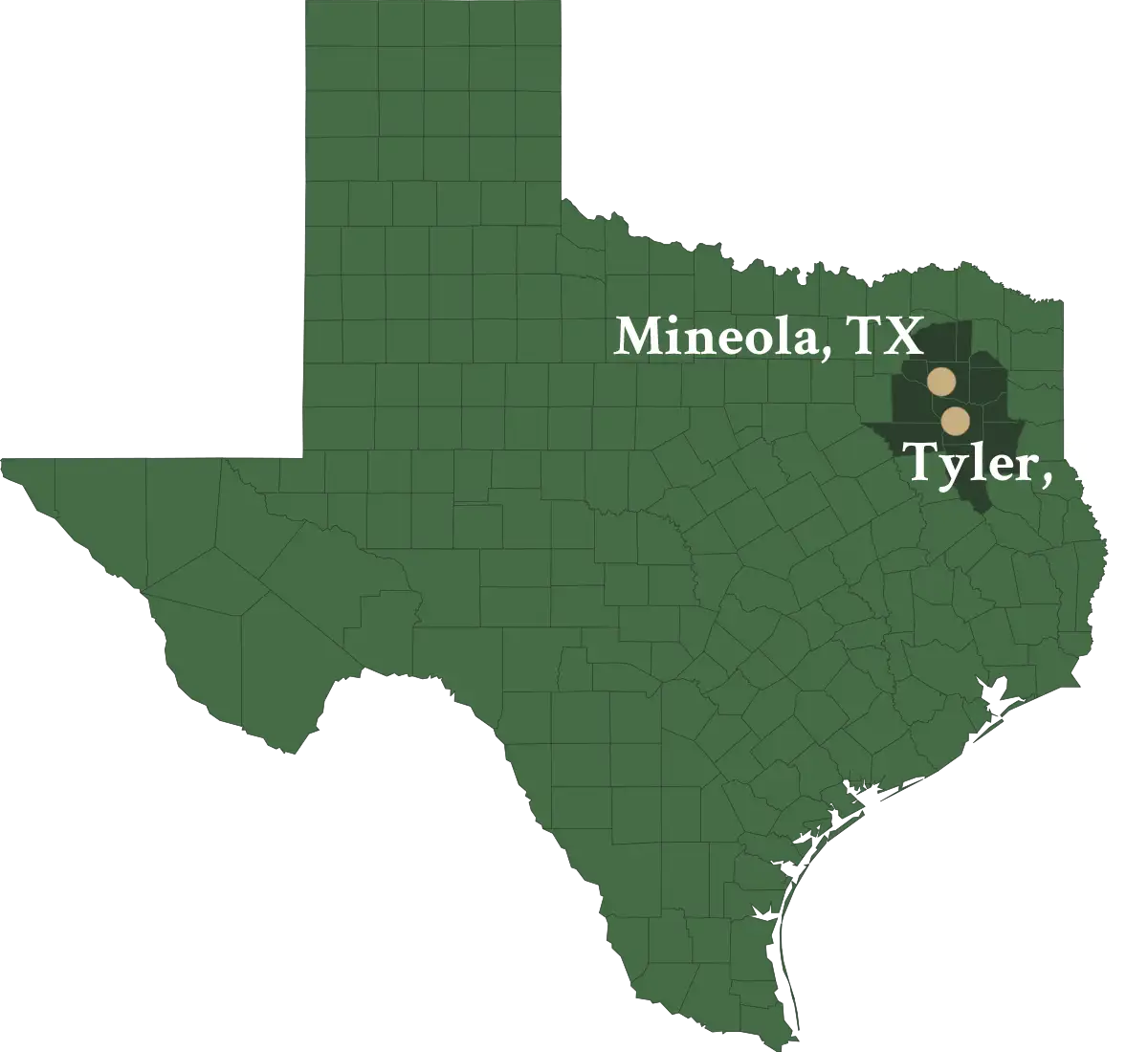
Creating an estate plan that covers all your needs shouldn’t be an overwhelming process. At Campbell Law Firm in Tyler and Mineola, TX, we will walk you through the process and carefully craft every document you’ll need. We will make the process simple and give you peace of mind and take that estate planning burden off your shoulders. With an experienced estate planning attorney like Bradley S. Campbell, you can rely on knowledgeable, well-seasoned legal advice, one-on-one planning, and compassionate support every step of the way.
The firm also offers seasoned representation for estate, trust, and probate litigation matters. Whether you suspect that an aspect of your deceased loved one’s estate has not been handled properly or you found yourself facing accusations of mishandling part of the estate, our probate attorney can assist you. Book a consultation with us today!
Most estate plans are built from a few key documents. Each one is explained in more detail below.
To learn what else belongs in a complete plan, see what should be in a Texas estate plan besides a will.
This informative resource goes over the major benefits that a revocable living trust has over just a simple will.
It’s never too early to begin estate planning with a trust. A comprehensive trust-based estate plan protects your wealth, your preferred end-of-life interests, and your loved ones without the involvement of the Texas Probate Court or other third parties after you’re gone.
A will typically cannot cover all of your estate planning needs, and it only becomes active after you die and it generally requires your family members to go through probate.
We know you want to save your family members the cost, time and stress of the probate process, so our law firm in Tyler, TX will craft an estate plan with documents, such as trusts, powers of attorney, advance directives, limited liability companies, and other techniques to avoid Texas probate, reduce the costs of transferring your assets to your loved ones, and minimize the stress and time involved in those processes, especially when your loved ones are in the middle of grieving your loss.
Numerous types of trusts exist, though they all place your assets in the name of the trust so as to avoid probate after you pass. The primary benefit of this transfer of assets to a trust, rather than transferring assets by using a will to your beneficiaries, is allowing your loved ones to avoid the public probate process, and the cost and hassle of a probate.
A will can be a good starting point, especially for a simple estate. A trust is often worth considering if you:
We’ll help you weigh the options during your consultation. For a side-by-side comparison, read revocable trust vs. will in Texas.
There are many advantages of setting up a revocable trust. One such advantage is the ability to have complete control over your assets and how you would like them to be distributed, without court involvement or a very public court proceeding. A trust can also be drafted to protect your beneficiaries’ inheritances from creditors, divorcing spouses, and other liabilities.
A trust can also help prevent estate disputes. Even with meticulous planning, disputes over a will can arise from beneficiaries or those who believe they should be included as beneficiaries. In such cases, Texas law mandates that any litigation regarding the will’s validity be settled prior to finalizing the estate and distributing its assets. If this arises for you, our probate litigator provides representation for all types of estate and will disputes.
Your trust lawyer from Campbell Law Firm can walk you through all the different options based on your needs so you can pick the right option for your family. Our trust attorney, Bradley S. Campbell, has extensive knowledge in all forms of trusts, so he can help you create the right document based on your goals and objectives.

The distribution of assets to beneficiaries can be defined with limitations on amounts, times of distribution and reasons for distributions.

Powers of attorney grant other individuals the legal right to do certain things, like make health decisions or complete financial transactions on your behalf. Creating a power of attorney is a critical aspect of your estate plan as it covers your wishes if you become incapacitated.
Numerous types of powers of attorney exist for all different use cases, ranging from temporary directives granting someone power while you’re on vacation to permanent actions to ensure that your health care follows your wishes if you become incapacitated.
Advance directives and other health care documents also outline your wishes if you become incapacitated and cannot speak for yourself.
Advance directives differ from powers of attorney because these documents do not just appoint an individual to make your decision. Instead, they state your exact preferences regarding different specific scenarios. Typically, your advance directives cover who you wish to access your healthcare records, your overall care preferences, and if anyone can make decisions for you.
Over three decades of estate planning experience
Dedicated one-on-one legal service personalized to you
Comprehensive estate planning services to cover all your needs, concerns and give you peace of mind for any situation that could arise in the future
Knowledgeable, trusted advice and support
Yes, for most adults. Estate planning isn’t only about money. It also covers who makes medical and financial decisions if you’re incapacitated, who would raise your minor children, and how to keep your family out of court. See how wealthy you have to be to need an estate plan in Texas.
A will gives instructions that take effect after death and generally must go through probate. A revocable living trust holds your assets during your lifetime and allows them to pass to your beneficiaries without probate. A trust can also help manage your assets if you become incapacitated.
We generally recommend reviewing your plan every few years and after any major life event, such as a marriage, divorce, birth, death in the family, significant change in assets, or a move to a new state.
Book a call with Campbell Law Firm in Tyler or Mineola, TX, today to begin the estate planning process.